 The Sports Guru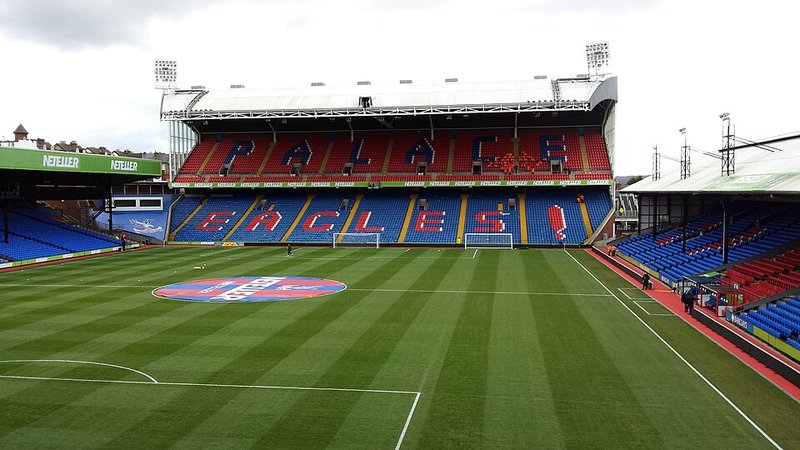
Manchester United are through to the FA Youth Cup final after a pulsating semi-final at Old Trafford that needed extra time to separate the sides. This piece breaks down how JJ Gabriel and Chido Obi made the difference, examines what the result reveals about United's academy pipeline, and looks ahead to a mouth-watering all-Manchester showdown in early May.
With 75 minutes of stalemate behind him and a watching audience that included some of the most influential figures at Old Trafford, 15-year-old JJ Gabriel picked up the ball, drove at goal, and produced a chipped finish of startling composure to break the deadlock. It was the kind of moment that belongs on a showreel rather than a semi-final scoresheet, and it briefly seemed as though it would be enough to settle an FA Youth Cup tie that Crystal Palace had been more than happy to make uncomfortable.
It was not enough, at least not on its own. Palace equalised within minutes through Raihaan Anderson after a goalkeeping error from Cameron Byrne-Hughes, who fumbled an aerial ball and handed the visitors a lifeline they seized immediately. That moment shifted the momentum entirely. For long stretches of extra time, it was Palace who looked the more likely side, pressing with urgency and exposing a United outfit that had temporarily lost its shape and its nerve.
Then Chido Obi intervened. A precisely weighted ball from James Overy on the right found Obi in the 115th minute, and the striker did the rest: a calm dribble around the goalkeeper, a composed finish into an empty net, and Manchester United were heading to the FA Youth Cup final. It was a night of fluctuating fortunes that ultimately came down to moments of individual brilliance from two of Carrington's most talked-about teenagers.
How United Finally Unlocked a Stubborn Palace Rearguard
For the best part of 77 minutes, Darren Fletcher's side struggled to find a way through a Palace defensive structure that was organised and disciplined. The match had the cautious feel of a cup tie where neither side wanted to be the one to overcommit, and it took a substitution to change the dynamic. Samuel Lusale came off the bench and immediately made an impact, linking with Obi before the striker's intelligent hold-up play released Gabriel into space. What followed was a finish that belied Gabriel's age entirely. That the breakthrough came through a combination move rather than an isolated piece of skill suggests Fletcher has worked hard on the group's collective understanding, not merely its individual talent.
The goal should have been the foundation for a controlled closing passage of play, but United were unable to hold what they had. Byrne-Hughes' error handed Palace the opening they needed, and Anderson's clinical response meant the tie was level with the final whistle approaching. That sequence highlighted a recurring challenge for young sides at this level: managing a lead when the opposition senses vulnerability. United's response in extra time, however, demonstrated a resilience that matters just as much as technical quality in a competition of this nature.
Gabriel and Obi: Two Teenagers Carrying Enormous Expectations
The contrast between Gabriel and Obi across the 120 minutes was striking and, in its own way, revealing. Gabriel's contribution was concentrated into a single moment of genius, a finish that carried the hallmarks of a player with an unusually refined technical ceiling for his age. The reputation he is building at Carrington is, by several accounts, unlike anything the academy has seen in a considerable time, and performances on nights like this only accelerate the attention surrounding him. What is notable is that the goal arrived when it did: not in an open game with space to exploit, but after 77 minutes of compression and frustration, which is a different and more demanding test of a teenager's technical nerve.
Obi's evening was more complicated. He spurned two significant chances during normal time and went into extra time carrying the weight of those misses. For a striker, that kind of psychological pressure is a test in itself, and his response to it spoke volumes. When the opportunity arrived in the 115th minute, he was composed where lesser players might have been frantic, purposeful where anxiety could have taken over. The dribble past the goalkeeper and the unhurried finish are precisely the sort of actions that live long in the memory of those watching from the stands. That he had already missed twice and still found that composure is, arguably, the more telling detail of his evening.
The Watchful Eyes at Old Trafford and What They Might Mean
The presence of first-team coach Tavis Binnion, director of football Jason Wilcox, and academy director Stephen Torpey in the stands was not incidental. At this level, semi-finals attract attention from across the club, and the people responsible for shaping United's playing future were watching closely. The significance of that is not lost on anyone connected to the academy.
With the World Cup arriving this summer and a number of first-team players set to depart on international duty, pre-season squads traditionally carry more youth representation than they otherwise would. The question of whether Gabriel and Obi could find themselves involved in those early preparations is a live one, particularly after the kind of display they produced here. Neither player is anywhere near first-team contention in a competitive context, but a pre-season environment would offer exposure and development that is difficult to replicate at academy level. Fletcher and his coaching staff will be aware that performances like this one make decisions harder to resist.
There is also the matter of what finishing the Youth Cup with two goals in a semi-final does for a teenager's confidence. Gabriel and Obi are at an age where momentum matters as much as talent, and a run to the final with contributions of this weight could shape the next phase of their development considerably.
A Record to Protect and a Derby Final to Relish
Manchester United have won the FA Youth Cup on eleven occasions, more than any other club in the competition's history. Their last triumph came in 2022, a run that introduced Kobbie Mainoo to a wider audience and served as an early indicator of what he would subsequently achieve at first-team level. That precedent is worth remembering, not as a guarantee of anything, but because it illustrates how the Youth Cup can accelerate the trajectory of a player who is already close to the threshold. The pipeline from that 2022 squad demonstrated the competition's value as a barometer of genuine talent, and the current group will be acutely aware of the standard they are being measured against.
The final itself carries an additional charge that a neutral venue and a later date cannot diminish. An all-Manchester final is one of the more compelling fixtures youth football can produce, and the prospect of Gabriel and Obi lining up against City's best young players in early May adds a layer of local pride and competitive intensity that extends well beyond the academy environment. City's route to the final and the strengths they will bring remain to be assessed, but United will arrive as a side that has shown they can win ugly as well as win with flair.
Verdict: A Final United Have Earned the Hard Way
There was nothing straightforward about this semi-final, and that is precisely why reaching the final feels significant. Crystal Palace were a proper opponent: organised, threatening on the break, and capable enough to punish a mistake when it arrived. The fact that United had to find a way back from conceding in the closing stages, reorganise through extra time, and then summon the composure to score a winner in the 115th minute is a better test of character than a comfortable win would ever have been.
Gabriel and Obi are the names that will dominate the post-match discussion, and deservedly so. But the team performance, the collective resilience, and the tactical flexibility that Darren Fletcher has built into this group deserve recognition alongside the individual brilliance. Samuel Lusale's cameo changed the texture of the game at a point when it was drifting, and James Overy's delivery for the winner was the kind of technically precise contribution that rarely makes headlines but often decides matches.
The FA Youth Cup final is one of the more prestigious fixtures in the junior calendar, and United have been here before often enough to know what it demands. The preparation, the occasion, and the opposition will all test this group in different ways. On the evidence of what they produced against Palace, particularly in those final exchanges of extra time, there is every reason to believe they are ready for it.
Frequently Asked Questions
Goalkeeper Cameron Byrne-Hughes fumbled an aerial ball, gifting Palace an opening that Raihaan Anderson converted immediately. The error came just minutes after Gabriel's goal and shifted the momentum firmly towards the visitors for much of extra time.
Lusale came off the bench and swiftly changed the dynamic of the match, linking with Obi before the striker's hold-up play released Gabriel into space. The goal was a combination move rather than an isolated individual effort, suggesting the substitution was a significant tactical intervention by Darren Fletcher.
Obi scored in the 115th minute after receiving a precisely weighted ball from James Overy on the right flank. He dribbled calmly around the goalkeeper before finishing into an empty net, securing United's place in the final.
Gabriel is 15 years old, making his chipped finish in a high-pressure semi-final at Old Trafford all the more notable. The goal came during a tightly contested match with 75 minutes of stalemate behind him and senior club figures watching, circumstances that would test a considerably more experienced player.
United will face Manchester City in what the article describes as an all-Manchester showdown. The final is scheduled for early May.
Sources: Match details, quotes, and statistics sourced from Sky Sports News coverage of the FA Youth Cup semi-final at Old Trafford, 17 April 2026.