 The Sports Guru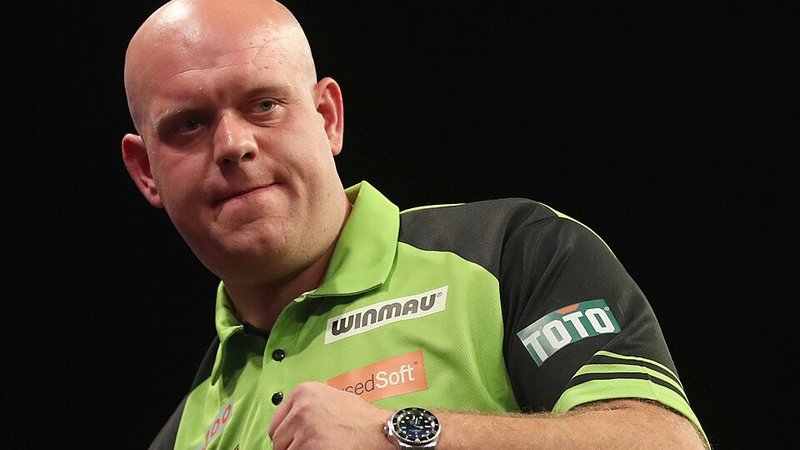
Michael Unterbuchner's attempt at pre-match wit has gone spectacularly wrong. After joking that he did not know who Van Gerwen was, the German was dispatched 6-2 and subjected to a very public dressing-down. Meanwhile, Niko Springer provided the tournament's biggest shock by eliminating defending champion Gary Anderson, setting up a dramatic Finals Day in Sindelfingen.
There is a certain kind of pre-match bravado that looks entertaining until it is put to the test on the board. Michael Unterbuchner found that out the hard way on Saturday evening at the European Darts Grand Prix in Sindelfingen, where Michael van Gerwen needed just eight legs to end the German's run and then delivered one of the more withering verdicts you will hear in professional darts. Van Gerwen won 6-2, but it was the words that followed that will linger longest.
Unterbuchner had given himself some attention after beating William O'Connor in round one, responding to a question about his next opponent by quipping "Who is that?" The joke landed fine in that moment. By Saturday evening it had aged considerably. Van Gerwen, who has won this tournament twice before and arrived in Germany hunting a third title, was in no mood to be generous about what he considered a cheap attempt at humour from a player who has never beaten him.
The outcome was emphatic enough on its own. Van Gerwen controlled the match with the kind of composed authority that suggests he was never in any real danger, and the 6-2 scoreline barely needed padding with drama. But it was the context, a player who publicly dismissed him being dismantled in front of a German crowd, that made the evening feel like something more than a routine second-round victory for the world number one.
Van Gerwen Delivers His Verdict
Van Gerwen has never been one to soften a response when he feels he has been disrespected, and he did not reach for diplomacy after leaving the stage. His assessment of Unterbuchner was blunt and personal. He made clear that the German has never beaten him across their entire professional history, and he sees no future in which that changes. He described Unterbuchner as not good enough to trouble him even when he is operating below his best level, and he framed it as a matter of hierarchy rather than rivalry.
What stands out analytically is how calculated Van Gerwen's response felt. He did not express anger; he expressed contempt, which is a different and arguably more damaging thing to put on record. In the broader context of Van Gerwen's career, this is a familiar pattern. He has long used perceived slights as fuel, and opponents who attempt to generate headlines at his expense tend to find that the attention flows back in an unflattering direction. Unterbuchner's quip was almost certainly intended as light-hearted tournament chat, but Van Gerwen chose to treat it as a statement of intent, and then responded accordingly on the oche.
For Unterbuchner, there is a lesson here that many players before him have had to absorb. Generating noise around a match with Van Gerwen requires either the ability to back it up on the board or a very thick skin when the response arrives. Saturday evening demonstrated which of those conditions applied.
Springer Sends Anderson Packing
If Van Gerwen provided the talking point of the evening session, the afternoon belonged to Niko Springer. The German produced the most significant result of the entire tournament by eliminating Gary Anderson, the defending champion, with a 6-3 victory that was rarely as close as the scoreline suggests. Anderson did manage two ton-plus checkouts during the contest, reminders of the quality that earned him the title twelve months ago, but Springer's consistency proved too much for the Scot to overcome.
For Anderson, it represents a frustrating defence of his crown. Defending titles at European Tour events is notoriously difficult, with draw formats and a single bad session capable of ending a run at any point. That difficulty is compounded when an opponent finds their scoring rhythm early and forces a champion to chase the match rather than set its tempo, which is precisely what Springer did here. Springer, ranked well outside the elite tier, will now face Danny Noppert in the last 16, a considerably stiffer test but one he will approach with serious momentum after removing one of the competition's most decorated players. Noppert had his own uncomfortable afternoon, surviving a tight 6-5 encounter with Sweden's Oskar Lukasiak before booking his place in Finals Day.
Clayton's Form Demands Attention
If there is a player in Sindelfingen who looks genuinely dangerous across a full day of darts, it is Jonny Clayton. The Welshman, who currently leads the Premier League table, averaged 106.78 in a 6-1 demolition of Latvia's Valters Melderis, opening with legs of 13, 11 and 11 darts before threatening a nine-dart finish towards the end of the contest. That kind of scoring pace, sustained over six legs with almost no relief for the opponent, is the hallmark of a player who has arrived at a tournament with full confidence. When Clayton is opening legs in that fashion and maintaining it rather than drifting, he becomes very difficult to manage tactically because the opponent receives no invitation to settle.
Clayton's Premier League leadership is no accident, and the form he has carried into Sindelfingen suggests he views this as an opportunity to add a significant European Tour result to his 2026 calendar. He will face Martin Schindler in the last 16, a German crowd favourite who recovered from a sluggish start to eliminate Australia's Damon Heta in five sets. Schindler has the support of the home fans and the motivation of competing on home soil, which makes that quarter-final slot genuinely unpredictable. Clayton will need to produce something close to his Melderis level to progress.
Wessel Nijman also gave a forceful reminder of his ambitions, averaging more than 104 in a 6-2 win over Ryan Searle. Nijman is already chasing a second European Tour title of 2026, and he carries genuine variety as a scoring threat. His next opponent is Stephen Bunting, who was efficient rather than spectacular in beating Mickey Mansell 6-3, but whose doubling accuracy at 75 per cent suggests he is converting when it matters. That match up carries real intrigue on Finals Day.
Other Storylines From a Packed Saturday
Nathan Aspinall, the man looking to retain the European Tour title he won last time out, began his defence in authoritative fashion. A 6-1 win over Jeffrey de Zwaan, which included a 170 checkout, carried the look of a player who has arrived focussed and sharp. A 170 finish is the maximum possible checkout and its inclusion in a dominant display signals that Aspinall's timing on the board is functioning at close to its sharpest. Back-to-back European Tour titles would represent a significant achievement, and Aspinall's opening display offered little for opponents to feel encouraged about.
James Wade provided one of the more satisfying individual narratives of the day by ending a five-match losing run on the European Tour. His 6-3 win over Kim Huybrechts, achieved with a 104.15 average, had the look of a performance built on controlled aggression rather than anything flashy. Wade has been around long enough to know that form on the European Tour can shift quickly, and he will take confidence from a result that ended what had been a difficult run on this circuit. He faces Nathan Aspinall next, which represents a significant step up.
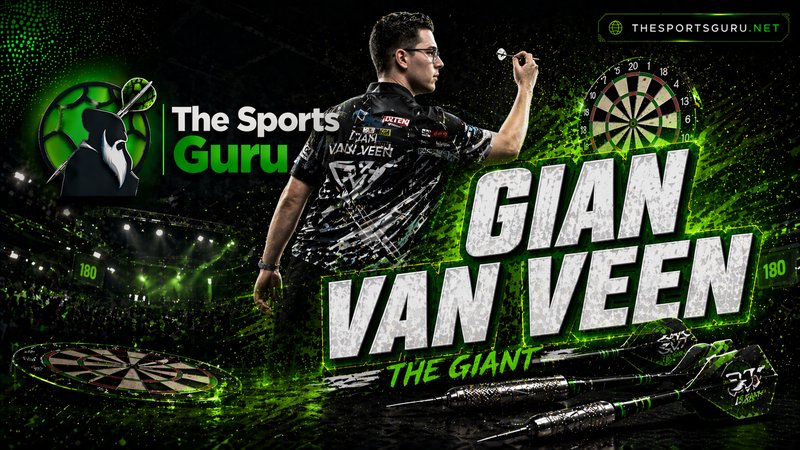
Joe Cullen's run continued in quietly impressive fashion. Having reached the last 16 of a European Tour event for the first time in twelve months, Cullen beat top seed Gian van Veen 6-3 after producing a productive burst through the middle of the contest. Van Veen's early exit is a reminder that seedings at European Tour level carry only limited protection, particularly when opponents find their range at the right moment. Cullen's reward is a match against Krzysztof Ratajski, who punished Mike De Decker's struggles at the double in advancing.
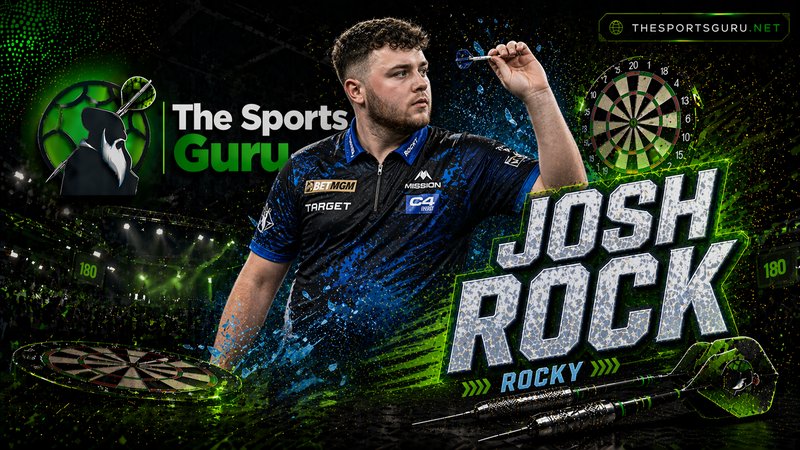
Gerwyn Price opened his tournament with a 6-4 win over Dave Chisnall, registering five 180s and averaging 99.71. Price's next opponent is Chris Dobey, who eliminated last year's runner-up Andrew Gilding in straight-forward fashion. Josh Rock and Ross Smith will meet on Finals Day after both won 6-3 on Saturday, Rock against Keane Barry and Smith against Cameron Menzies.
Verdict: A Finals Day Worth Watching
The 2026 European Darts Grand Prix Finals Day has genuine quality spread across the draw. Van Gerwen faces Jermaine Wattimena in the last 16, a fellow Dutchman who averaged 99 in eliminating Kevin Doets in an all-Dutch second-round tie. Wattimena will not be intimidated by the occasion, but stopping Van Gerwen on a day when he is motivated and has already found rhythm will require something extraordinary.
The structural intrigue of Sunday is that there is no clear, dominant path to the final. Clayton looks the form player, but Schindler is dangerous on home soil. Van Gerwen is the favourite, but Wattimena is capable of an upset. Aspinall's bid to retain a title adds another compelling thread. And Springer's unexpected presence in the last 16 means there is at least one player in the draw with nothing to lose and everything to gain from the occasion.
Van Gerwen's post-match comments about Unterbuchner will generate the headlines, and he probably knows that. But the real story of this tournament will be decided on the board on Sunday, where a third European Grand Prix title for the Dutchman remains entirely possible but far from guaranteed. The afternoon session kicks off at noon, with the quarter-finals, semi-finals and final following in the evening. There is plenty still to play for in Sindelfingen.
Frequently Asked Questions
After beating William O'Connor in round one, Unterbuchner was asked about his next opponent and responded by quipping "Who is that?" The comment was intended as light-hearted tournament banter but Van Gerwen chose to treat it as a deliberate show of disrespect.
According to Van Gerwen's own post-match assessment, Unterbuchner has never beaten him across their entire professional history. Van Gerwen stated he sees no future in which that changes, framing the dynamic as a matter of established hierarchy rather than any genuine rivalry.
Springer won 6-3, though the article notes the match was rarely as close as that scoreline suggests. Anderson did produce two ton-plus checkouts as reminders of his quality, but Springer's consistency proved too much for the defending champion to overcome.
Van Gerwen has won the tournament twice before and arrived in Sindelfingen seeking a third title. His composed 6-2 victory over Unterbuchner kept that pursuit on track heading into Finals Day.
Van Gerwen's post-match verdict was blunt and personal, describing Unterbuchner as not good enough to trouble him even when he is operating below his best. The article notes that what made his response analytically striking was that he expressed contempt rather than anger, which it describes as a more damaging thing to put on record.
Sources: Match results, statistics, and quotes sourced from Sky Sports' coverage of the 2026 European Darts Grand Prix in Sindelfingen.