 The Sports Guru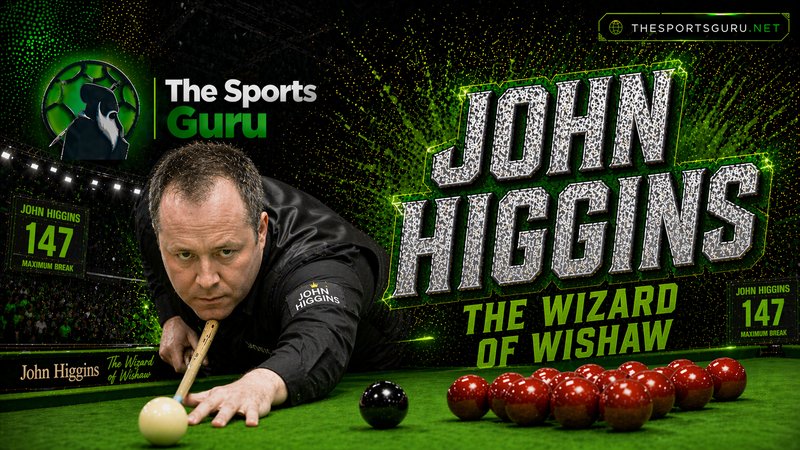
John Higgins produced one of the great Crucible comebacks on Monday, clawing back from five frames down against Ronnie O'Sullivan to win 13-12 in a final-frame decider. This piece examines how the four-time champion turned a seemingly hopeless position into a quarter-final place, while also covering Mark Selby's exit at the hands of young Chinese contender Wu Yize on the same afternoon.
For a spell in Sunday's second session at the Crucible, Ronnie O'Sullivan looked every inch the man about to write himself into snooker history. A five-frame lead at 9-4 had the seven-time world champion in sight of a commanding passage to the quarter-finals, and the record-breaking eighth title he has chased for years appeared closer than ever. What followed over the next two days was a systematic dismantling of that advantage by a player who, at 50, refuses to accept the limitations age is supposed to impose.
John Higgins won the final three frames of Sunday's session and then took the opening three on Monday morning, a sequence of six consecutive frames that wiped out O'Sullivan's lead entirely and tilted one of the great Crucible contests on its head. O'Sullivan has lost six frames in a row at Sheffield on only four previous occasions in his career. Higgins manufactured that rarity and then sustained his composure through a final-frame decider to seal a 13-12 victory that will live long in the memory of everyone inside the Sheffield theatre. That Higgins could sustain such a run across a session break, returning the following morning without any loosening of his grip on the match, is arguably the more remarkable detail: momentum at the Crucible has a habit of dissipating overnight.
Neither player is a stranger to this stage or its pressures, and yet what unfolded across table one on Sunday and Monday felt genuinely exceptional. Higgins, the champion in 1998, 2007, 2009 and 2011, now advances to the quarter-finals. O'Sullivan, seeking the outright modern-era record with an eighth title, is out. The result confirms that the Class of 1992 generation remains capable of producing the kind of drama that younger players are still working towards.
How Higgins Turned the Match Around
The scale of Higgins's recovery only makes sense when you consider just how dominant O'Sullivan appeared at his peak in this match. Twice the Englishman opened up a five-frame cushion, first at 8-3 and then again at 9-4, and on both occasions a straightforward path to the last eight seemed to be opening up. The Crucible crowd, though clearly enthralled by the contest, would have had little reason at 9-4 to expect what was coming.
What changed was Higgins's ability to impose rhythm on frames that O'Sullivan had been controlling. Higgins has always been a player who wins matches through accumulation rather than intimidation, and the six-frame swing that took the match from 9-4 to 9-10 in his favour is precisely the kind of grinding momentum shift that his style is built for. It required O'Sullivan to arrest it. He did, to his credit, winning frames 20 and 21 to retake the lead at 11-10, but Higgins responded immediately by taking two frames in succession to lead 12-11. An 81 break from O'Sullivan forced the deciding frame. That single frame, after all that had come before, was almost too tightly wound to watch.
Higgins had the first opportunity in the decider and missed a red into the middle pocket when leading 16-0, handing O'Sullivan a lifeline. The seven-time champion could only add eight points before failing to pot a red himself, and Higgins capitalised with a break of 49 to close out the frame and the match. Both players received a standing ovation at the finish, a measure of what the crowd had witnessed across the two sessions.
The Weight of What Was at Stake for O'Sullivan
Ronnie O'Sullivan arrived at the Crucible this year carrying the weight of a specific ambition. Seven world titles already place him joint top of the modern-era list, but a record-breaking eighth would have established him as the outright greatest champion of the professional era, beyond Stephen Hendry's seven. That context adds a layer of significance to the defeat that transcends the usual disappointment of a last-16 exit.
It is also worth noting that O'Sullivan, like Higgins, is 50 years old. The pair, along with 51-year-old Mark Williams, form the celebrated Class of 1992 generation, the group of players who turned professional together and have collectively accumulated 14 world titles. That three players of this vintage are still competing at the very highest level of the sport, still producing a match of this quality in the last 16 of the World Championship, is a sporting phenomenon in its own right. Their longevity at the top of snooker has no obvious parallel in any other individual sport. In most disciplines, the physical and mental demands of elite competition narrow the window at the top to perhaps fifteen years; these three have now stretched theirs to over thirty.
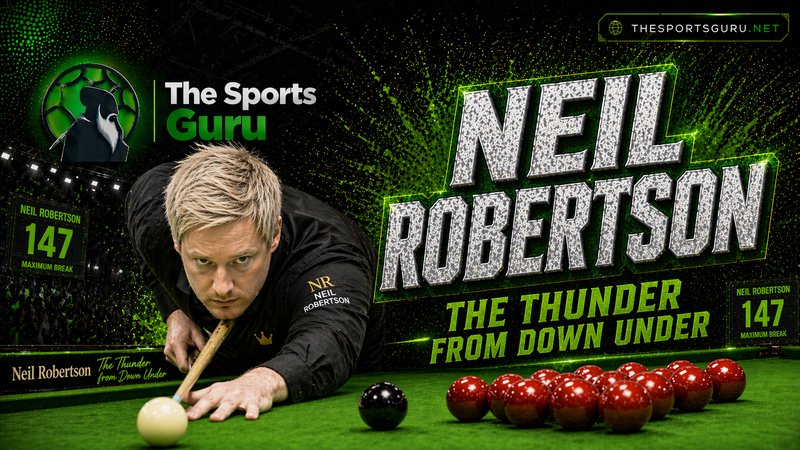
For O'Sullivan, the record pursuit continues. He will return to the Crucible next year with the same target, and perhaps with the added hunger that a defeat this dramatic can generate. For Higgins, the focus shifts immediately to a quarter-final against the winner of Neil Robertson's match with Chris Wakelin, with Robertson leading 10-6 heading into Monday's evening session.
Wu Yize Ends Selby's World Championship
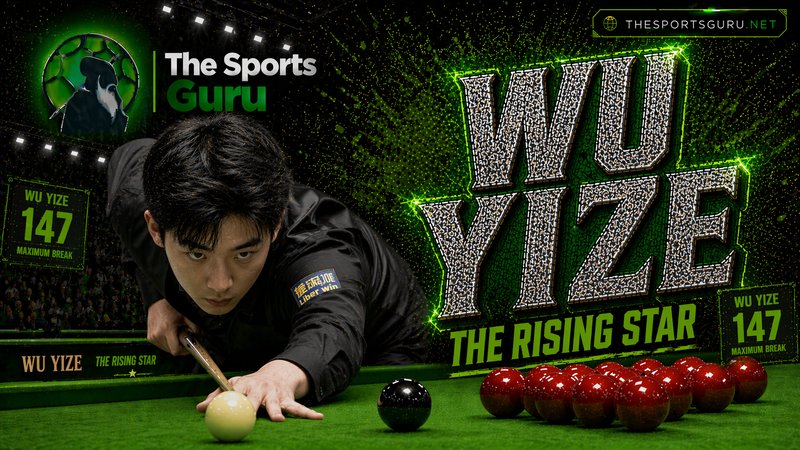
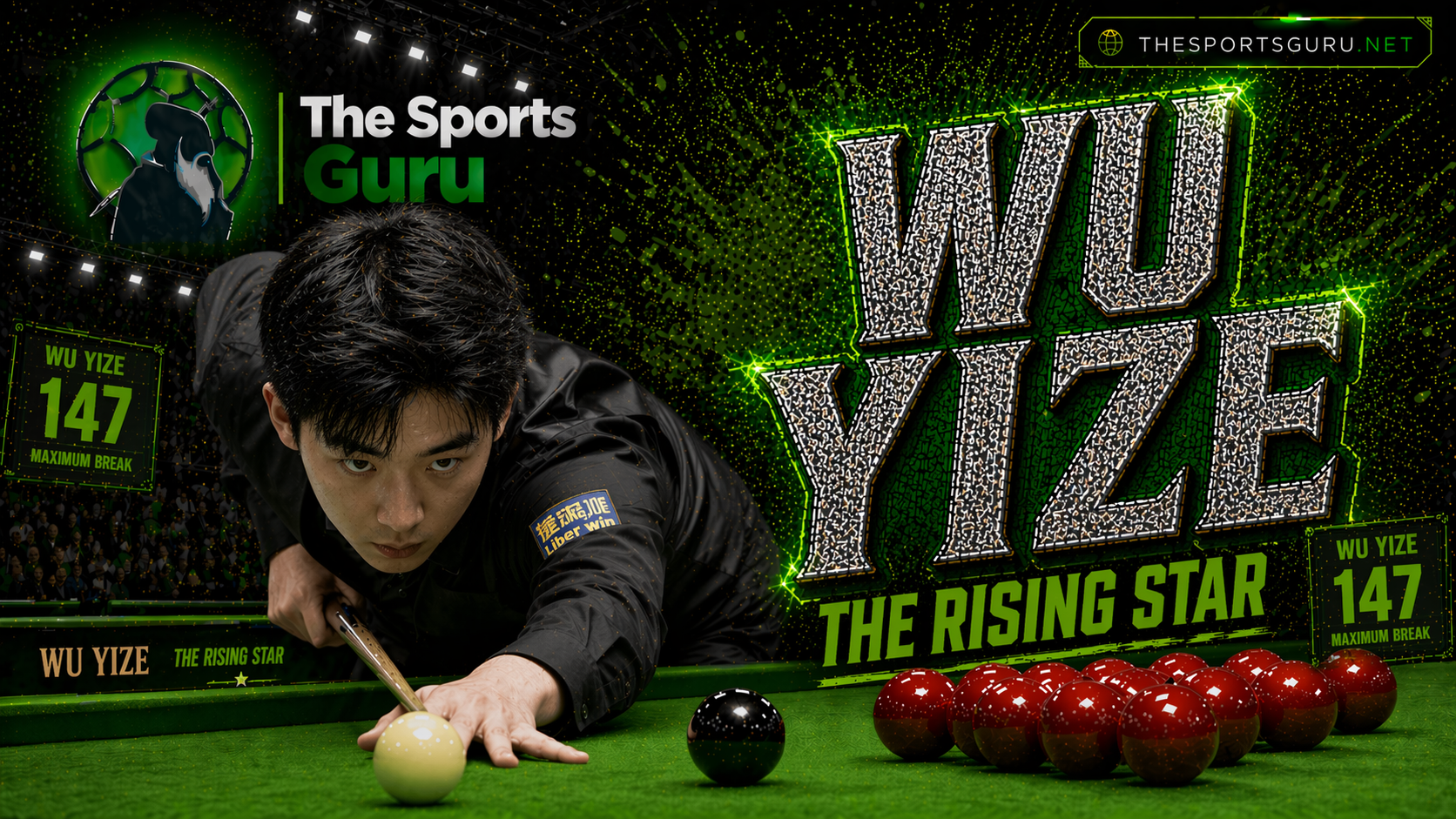
While the Higgins and O'Sullivan drama played out on table one, table two produced its own compelling subplot. Mark Selby, a four-time world champion himself, was beaten 13-11 by 22-year-old Wu Yize of China in a match that underlined the shift in generational power taking place within the sport. Selby had started brightly, opening with century breaks of 123 and 124, but trailed 9-7 going into the final session and could not ultimately overhaul Wu despite several significant attempts.
Wu extended his advantage to 10-7 before Selby pulled two back. The next two frames went to Wu to put him on the brink at 12-10, and Selby again demonstrated his resilience with two consecutive frames, including a break of 95, to level at 12-12. But Wu closed it out in the 24th frame, and in doing so confirmed his status as one of the most dangerous players in the draw. Ranked tenth in the world, Wu won his first ranking event at the International Championship in November and becomes only the second Chinese player to reach the World Championship quarter-finals in successive years after compatriot Zhao Xintong, last year's champion. A first all-Chinese final remains possible given the two are in opposite halves of the draw.
Selby's Frustration and an Honest Assessment
Selby did not attempt to deflect from the manner of the defeat. He was candid about his own errors and acknowledged that the accumulation of missed opportunities had cost him the match. His frustration boiled over visibly in the 21st frame when he struck his cue against the table after a missed red, a rare public display of emotion from a player usually known for his composure under pressure. That the cameras caught it only added to the narrative of a match in which the momentum repeatedly shifted and both players felt its swings acutely.
At 42, Selby faces questions that are uncomfortable but unavoidable for any multi-time champion at this stage of a career. Whether this was a defeat caused purely by the quality of his opponent or whether it represents something more telling about where Selby is in his game is something only time will clarify. The fact that he opened with centuries of 123 and 124 suggests the problem was not simply one of form; Wu simply proved more consistent when the frames were tight. What is not in doubt is that Wu Yize is a formidable adversary at any stage of a tournament, and Selby's own generous assessment of the young Chinese player's potential carries real weight given the source.
What Happens Next and Why It Matters
Higgins's progress to the quarter-finals sets up another intriguing match against either Robertson or Wakelin. Robertson, the 2010 champion, was in commanding shape at 10-6 heading into the evening session, and if he finishes the job, the quarter-final will pit two former champions with a combined eight world titles against each other. Wakelin reaching the last eight would represent a significant upset and a very different kind of challenge for Higgins.
Wu Yize's quarter-final opponent will be either world number one Judd Trump or Iran's Hossein Vafaei. Should Wu progress and Zhao Xintong continue on the other side of the draw, the prospect of a first all-Chinese World Championship final edges closer. That would represent a seismic moment for the sport's expanding global footprint, and Wu would also become the youngest world champion since a 21-year-old Stephen Hendry lifted the trophy in 1990 if he wins the title.
The 2026 World Championship has already produced two matches of exceptional quality in the last 16. The Higgins and O'Sullivan contest, spread across two sessions and decided on the final frame, will rank among the finest in the 49-year history of the event at the Crucible. It was a fitting advertisement for a generation of players who have defined snooker for three decades, and a reminder that the very best of what the sport offers still lives in Sheffield every April and May.
Frequently Asked Questions
According to the article, O'Sullivan has lost six frames in a row at Sheffield on only four previous occasions in his entire career. Higgins manufactured that sequence across a session break, which makes the run all the more notable given that Crucible momentum typically dissipates overnight.
Higgins missed a red into the middle pocket when leading 16-0, handing O'Sullivan an opening. O'Sullivan could only add eight points before failing to pot a red himself, at which point Higgins stepped in and made a break of 49 to close out the frame and seal the match.
Yes, O'Sullivan won frames 20 and 21 to retake the lead at 11-10 after Higgins had overturned the deficit. Higgins then won two frames in succession to lead 12-11, before O'Sullivan made an 81 break to force the deciding frame.
O'Sullivan entered the match chasing an eighth world title, which would have been an outright modern-era record. His elimination means that pursuit continues to fall short, and Higgins, a four-time champion, advances to the quarter-finals instead.
Mark Selby was knocked out of the World Championship by young Chinese contender Wu Yize on the same afternoon. The article does not detail the scoreline of that match but notes it as a significant result from the same day's play.
Sources: Match statistics, scores, and quotes from BBC Sport's live coverage of the 2026 World Snooker Championship at the Crucible Theatre, Sheffield.